I make films about people doing things that matter to them.
BJ Media Production concept is a film studio in Lagos, Nigeria, and for most of a shoot that means one person with a camera. I started out cutting other people’s footage, which turned out to be the best possible training: you learn very quickly which shots a film actually needs and which ones were taken because they looked good on the day.
Since 2022 I have worked across weddings, brand films, documentary and commercial work. Those look like different jobs and are mostly the same one — finding the true thing in a situation and building something around it that people will still want to watch in ten years.
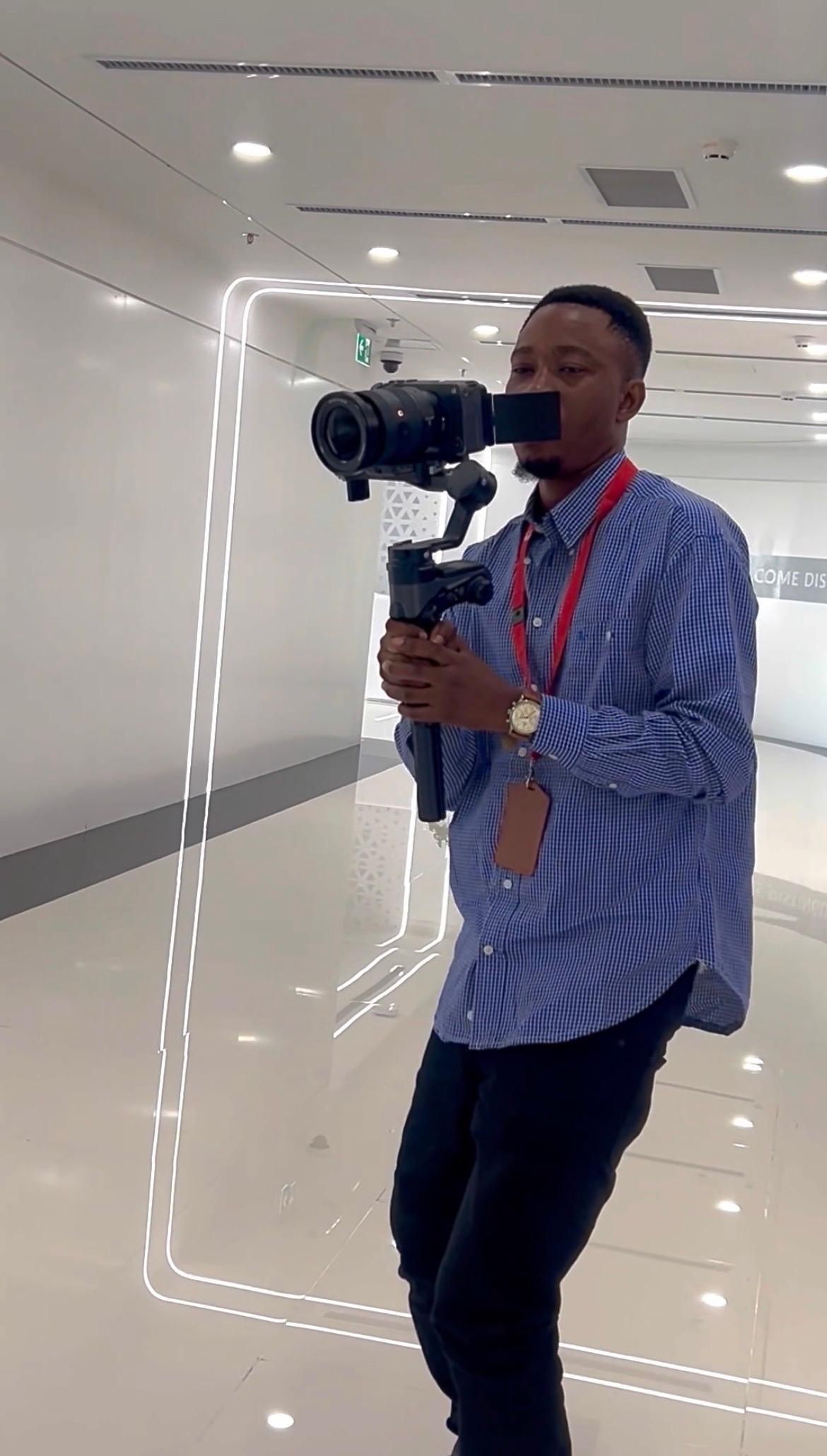
BJ Media Production concept · film and video production · Lagos, Nigeria
Three things I believe about making films.
The camera changes the room
So the job is to change it as little as possible. Small crews, long lenses, available light wherever it holds up. People behave like themselves when nobody is being asked to stand somewhere.
Structure before style
A film that is beautiful and shapeless is a showreel. The edit gets built for meaning first; the grade and the mix come last, once the shape has stopped moving.
Sound is half of it
Audiences forgive a soft frame long before they forgive bad audio. Every shoot carries proper location sound, and every mix gets the same attention as the picture.
What I bring
Kit matters less than the person carrying it, but it is a fair question and here is the honest answer.
Working from Lagos · Abuja · Nationwide · Africa on request
- Cameras
- Full-frame cinema bodies, two-camera as standard on live events
- Glass
- Fast primes for interviews, a long zoom for documentary coverage
- Sound
- Lavalier and boom, recorded separately with timecode
- Aerial
- Licensed drone operation, permissions arranged in advance
- Post
- DaVinci Resolve, colour-managed, delivered in the formats you need
- Backup
- Dual-card recording on site, three copies before anyone drives home
How a film gets made
Five stages, and no surprises in the middle of them.
This is the process every commission runs through, from a first phone call to the final delivery.
- 1
Discover
A conversation about what the film is for and who has to watch it. Most briefs change in this call, usually for the better.
- 2
Plan
A treatment, a schedule and a shot list, plus the unglamorous parts: permissions, insurance, and where the light will be at four o'clock.
- 3
Capture
Small crews, long lenses, available light wherever it holds. The aim is to change the room as little as possible while filming in it.
- 4
Edit
A first cut for structure, then two rounds of notes. Grade and sound mix happen last, once the shape of the film has stopped moving.
- 5
Deliver
Masters in the formats you actually need, cutdowns for the places they will play, and the selects archived for twelve months.
What clients say
Working with me, described by people who have.
Read all client wordsWe barely noticed anyone was filming, which is the highest compliment I can pay. Then the film arrived and half of it was moments we did not know had happened.
Amara Oyelaran
Wedding in Lagos, 2025
Start with a conversation.
Most projects begin with a twenty-minute call about what the film is for. No pitch deck, no obligation.
oyebamiji001@gmail.com · +234 813 541 8734 · Lagos · Abuja · Nationwide · Africa on request